Jordan Bennett · 15 October 2026
Portal Variations and Their Correlation With Dwell Patterns in Site Architectures
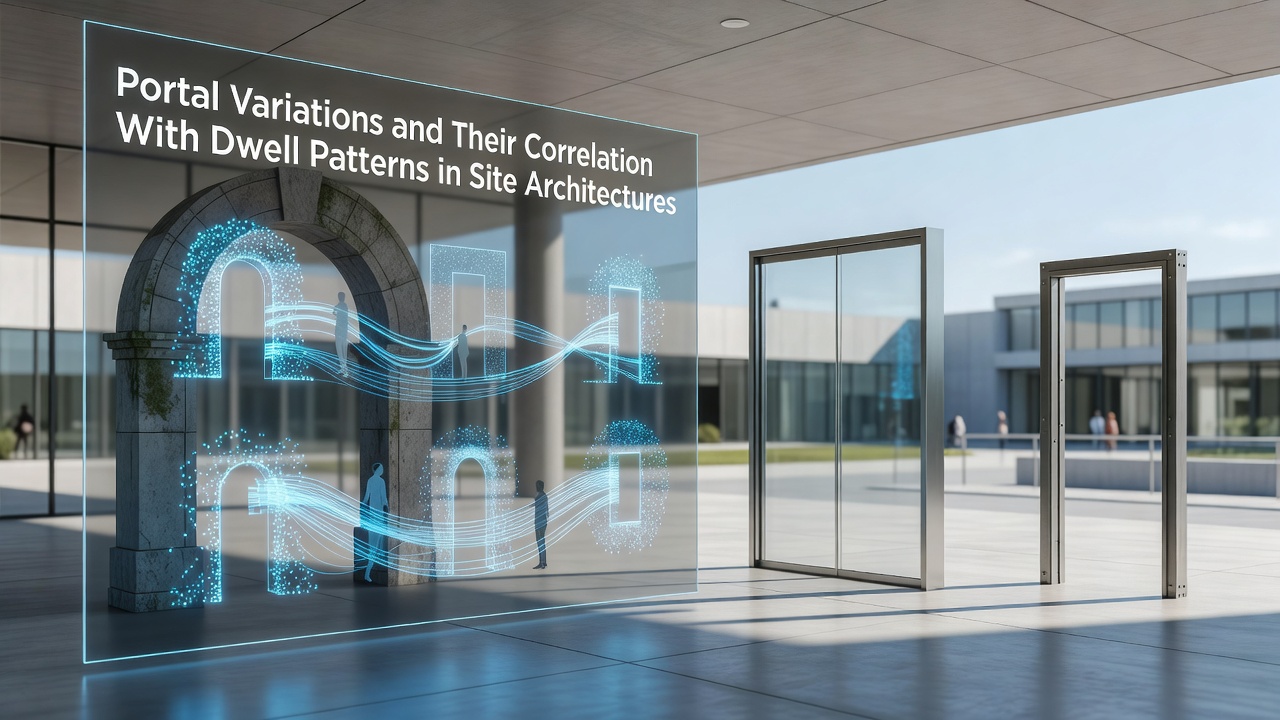
Site architectures rely on distinct portal types that channel visitors into content environments, and studies track how these entry variations align with dwell patterns measured through session analytics. Researchers at multiple institutions have mapped direct portals, search-driven gateways, and referral-based access points against time-on-site metrics, revealing consistent associations between entry design and retention duration. Data from large-scale web tracking platforms shows that portal layout elements such as navigation depth, content preview density, and load sequencing influence how long sessions extend before users exit.
Types of Portal Structures Observed in Modern Sites
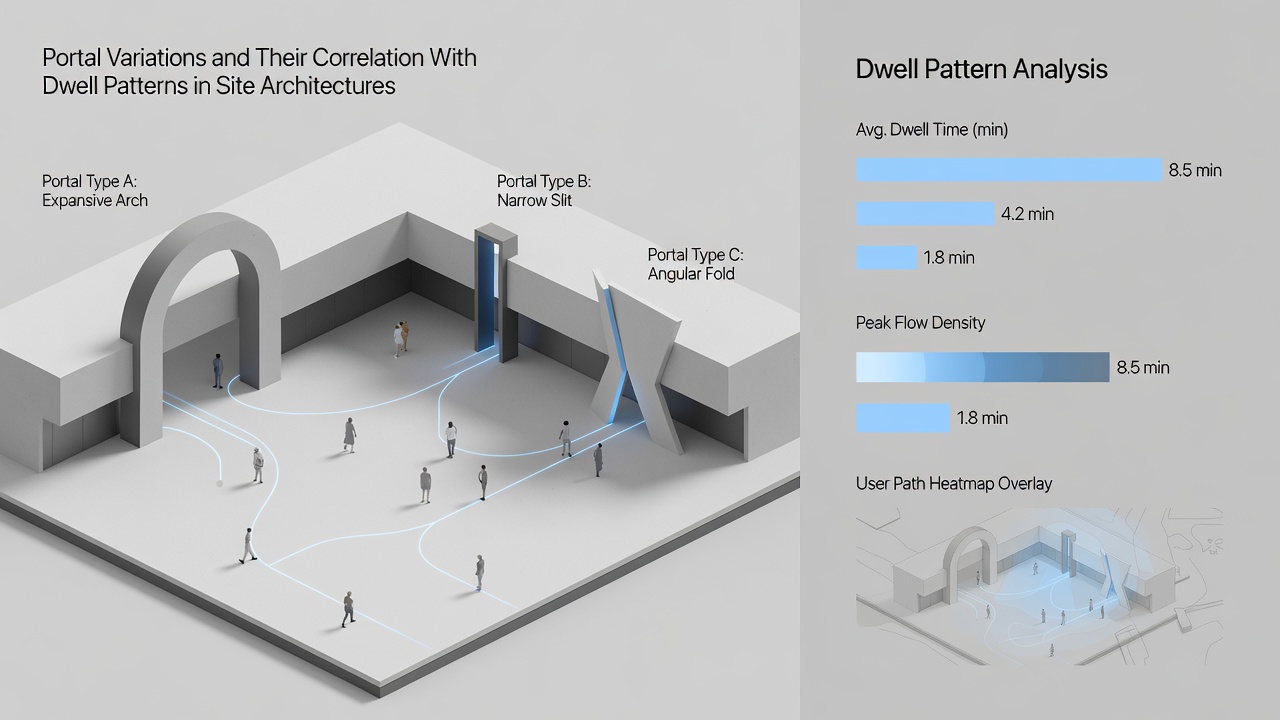
Architects implement homepage portals as central hubs that aggregate multiple content streams, while landing-page portals focus on single-topic funnels that route users toward specific resources. Category portals organize material by thematic clusters and often feature expanded menu systems that guide deeper navigation. Application-style portals integrate interactive modules from the first screen, and these configurations appear across commercial, educational, and informational domains. Observers note that each portal variant carries measurable differences in initial bounce thresholds and subsequent page-view sequences.
Measurement Approaches for Dwell Patterns
Analytics frameworks record dwell time through timestamp differentials between entry and exit events, while heat-mapping tools overlay scroll depth and interaction frequency on portal templates. Research teams aggregate these figures across thousands of sessions to isolate variables tied to portal design rather than external traffic sources. Figures from October 2026 tracking cycles indicate that sites refreshed with modular portal components recorded average dwell increases of 18 to 27 seconds compared with static layouts deployed the prior year.
One study coordinated across North American and European university servers examined 1.2 million sessions and found that portals presenting three or fewer content choices at entry correlated with longer average dwell windows than those offering ten or more simultaneous options. The same dataset revealed that portals incorporating progressive disclosure elements extended session length by roughly 14 percent when users encountered additional content layers after the initial click.
Regional Data Sets and Architectural Comparisons
Reports issued by the Australian Digital Transformation Agency document dwell patterns across government portal variants and note that streamlined entry sequences produced higher completion rates for multi-step processes. Canadian federal digital service evaluations similarly tracked user retention across redesigned portals and recorded extended dwell intervals when breadcrumb navigation and contextual previews appeared within the first viewport. These findings align with observations from academic repositories in the United States that examined commercial site architectures and identified parallel trends in session duration tied to portal hierarchy depth.
Architectural audits conducted in late 2026 further illustrate that portals supporting adaptive layouts based on device type maintain steadier dwell distributions across mobile and desktop traffic cohorts. Sites that retained fixed portal templates without responsive adjustments showed greater variance in session length, particularly during peak afternoon hours when cross-device usage spikes. Analysts attribute these patterns to reduced friction in content discovery rather than any subjective preference for specific designs.
Interaction Between Portal Elements and Session Metrics
Component-level testing isolates how individual portal features such as hero imagery placement, search bar positioning, and secondary call-to-action buttons affect dwell continuation. Data sets compiled from European research networks indicate that portals placing primary navigation above the fold sustain longer average sessions than those deferring menus to footer regions. Session recordings also demonstrate that portals embedding inline video or interactive widgets at entry points generate secondary page views at higher rates, extending overall dwell without altering exit intent signals.
Cross-referencing with traffic origin data shows that users arriving through direct bookmark portals exhibit different dwell distributions than those entering via external referral links, yet the architectural portal variant itself remains the stronger predictor of session length once entry occurs. Observers tracking October 2026 metrics across multiple domains confirm that portal redesigns incorporating clearer content hierarchy produced measurable shifts in dwell quartiles even when traffic sources stayed constant.
Conclusion
Portal variations within site architectures demonstrate measurable correlations with dwell patterns through aggregated session data and component testing. Research across government agencies, academic institutions, and industry tracking platforms continues to map these relationships using standardized metrics that isolate entry design from external variables. The patterns documented in 2026 underscore the role of structural choices in shaping how long visitors remain engaged once they pass through a given portal.