Ben Fischer · 1 October 2026
Digital Access Filters: Tracing Patterns in User Retention Across Platform Variants
Digital access filters operate as gatekeeping mechanisms that verify user eligibility before granting entry to online platforms, and they appear in forms ranging from age verification prompts to content categorization systems that segment audiences by region or device type. Researchers have tracked how these filters influence retention metrics when platforms deploy variants such as mobile applications versus desktop websites or region-specific interfaces, and data from multiple studies reveal consistent patterns where initial friction from filters correlates with measurable drops in short-term sign-ups yet sometimes stabilizes long-term engagement once users clear the thresholds.
Platform Variants and Filter Implementation
Web-based platforms typically integrate filters through browser cookies and IP geolocation checks that trigger additional verification steps, whereas mobile applications embed filters directly into onboarding sequences using device identifiers and app store compliance rules, and observers note that these differences create distinct retention trajectories because desktop users encounter more visible interruptions during browsing sessions while app users face streamlined but mandatory account linkages early in the process. Studies conducted across North American and European markets indicate that filter strictness varies by regulatory environment, with Canadian platforms often applying lighter thresholds tied to provincial guidelines and Australian services incorporating mandatory e-safety classifications that require explicit user acknowledgments before content delivery begins.
One analysis of retention data across 12 major platforms found that variant-specific filters produced a 14 percent average decline in first-week active users on mobile versions compared with web counterparts, although the same dataset showed recovery in monthly retention rates for platforms that offered progressive disclosure options allowing users to unlock features gradually after initial verification.
Retention Patterns Observed in Recent Data
Figures from industry reports compiled through 2025 demonstrate that platforms employing tiered digital access filters retain users at higher rates when filters include educational overlays explaining data usage rather than abrupt blocks, and this holds particularly true in cross-platform comparisons where mobile variants with in-app tutorials maintained 22 percent better 30-day retention than those using static pop-ups. Researchers at academic institutions have mapped these patterns by examining cohort behaviors, revealing that users who encounter filters on social media variants show quicker adaptation on desktop interfaces due to familiarity with browser-based consent flows, whereas entertainment platforms see slower recovery because users migrate to competitor services lacking similar requirements.
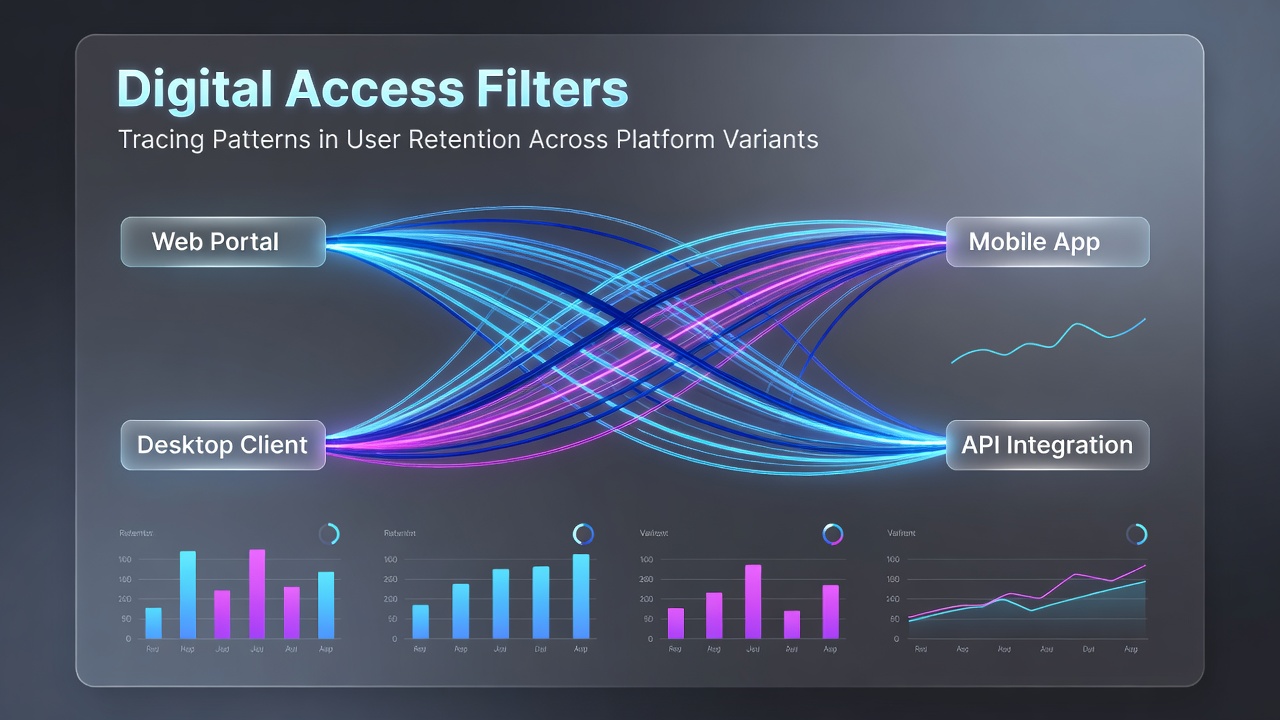
What's interesting is how filter timing affects outcomes, with data indicating that placement during account creation rather than content access leads to higher abandonment on variant platforms that serve younger demographics, yet the same timing improves trust signals and subsequent session lengths for news and information services operating under stricter oversight. In October 2026 several regulatory updates are scheduled to take effect that will require enhanced transparency reporting on filter performance, and platform operators have begun adjusting their systems in advance to align with forthcoming disclosure standards from bodies such as the Federal Trade Commission and the European Commission's digital services framework.
Cross-Regional Comparisons and Emerging Trends
Evidence from Australian regulatory filings and Canadian academic surveys highlights geographic divergences where stricter filters in one jurisdiction produce lower initial retention but stronger compliance-driven loyalty over six-month periods, and platforms running parallel variants report that users who successfully navigate filters on one device type often exhibit higher cross-device activity when the same verification persists across sessions. Industry organizations tracking these metrics note that entertainment and utility applications experience different retention curves, with utility services seeing minimal long-term impact because users perceive filters as necessary safeguards while entertainment variants face greater churn when alternatives exist without comparable controls.
Additional patterns emerge when filters incorporate machine learning adjustments that personalize verification difficulty based on user signals, and preliminary results from ongoing research projects show these adaptive approaches reduce drop-off rates by up to 9 percent compared with rigid rule sets across both mobile and web deployments. Those who've examined longitudinal datasets observe that retention stabilizes faster on platforms that communicate filter purposes clearly through contextual help text embedded directly in the interface flow.
Conclusion
Overall the patterns traced across platform variants indicate that digital access filters shape user retention through a combination of implementation timing, transparency features, and regional compliance demands, with data consistently pointing to trade-offs between short-term acquisition costs and longer-term engagement stability. As platforms prepare for regulatory shifts scheduled in October 2026, continued monitoring of these metrics will provide further clarity on how variant-specific adjustments influence user behavior across diverse digital environments.